
How Long Does Kratom Stay in Your System?

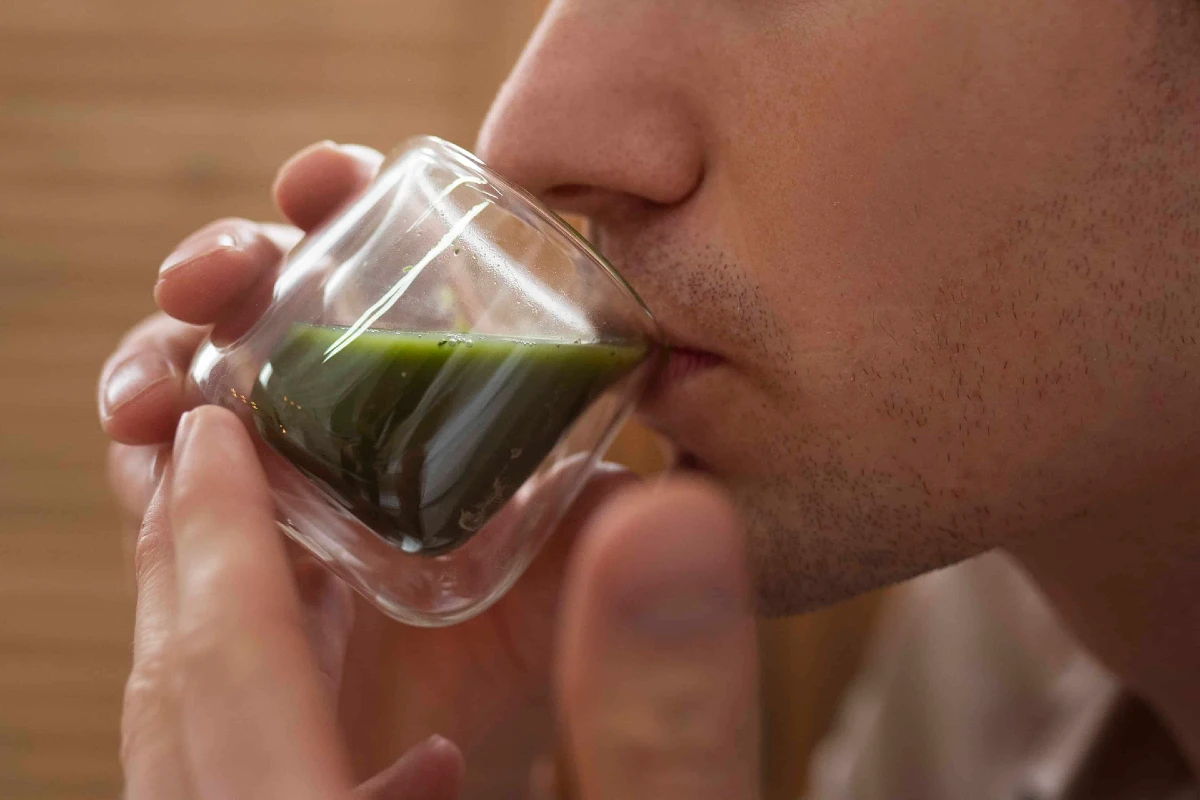
If you are changing jobs, starting a new prescription, or planning a tolerance break, it helps to know how long Kratom stays in your system.
Most people clear Kratom’s alkaloids within a week. But the exact window depends on the dose, potency, individual metabolism, and the type of test used. The effects often fade within hours, but some laboratory methods can still detect Kratom metabolites in your system.
This guide explains realistic detection windows for how long it takes Kratom to clear your body. We’ll also explain why some tests find Kratom and others do not. This largely depends on how Mitragynine is metabolized, though other factors can slow or speed elimination.
Detection Windows for Kratom
Kratom’s primary alkaloid is Mitragynine. After ingestion, a portion converts to 7-Hydroxymitragynine and other metabolites, which are excreted in the urine over time. Effects usually last 4–6 hours, but detectability can extend longer.
| Test Type | Typical Window | What To Know |
| Urine | 3 to 7 days | Most common matrix for workplace testing. Targeted assays can detect Mitragynine and metabolites. |
| Blood | Up to 24 hours | Short window reflecting recent use. Rarely used for Kratom alone. |
| Saliva | 1 to 2 days (limited data) | Oral fluid testing is uncommon and less standardized. Sensitivity varies. |
| Hair | Up to 90 days | Captures historical exposure; mainly for forensic contexts. |
Detection windows vary by test type, individual metabolism, dose, frequency, and product potency.
Why Urine Tests Are Most Common
Why Saliva and Hair Screening Are Less Common
- Saliva: Very brief detection window; not widely used.
- Hair: Expensive and usually limited to legal or research contexts.
Does Kratom Show Up on a Drug Test?
Most routine workplace drug tests (5-panel or 10-panel) do not test for Kratom alkaloids. They target cannabis, cocaine, opioids, amphetamines, and PCP.
Some programs may order specialized tests using LC-MS/MS, which can specifically detect Mitragynine and 7-Hydroxymitragynine. These tests are less common due to higher costs and special requests.
Contexts where Kratom testing is more likely:
- Pain management clinics
- Addiction or treatment programs
- Legal or forensic cases
False Positives and Confirmatory Tests:
Initial immunoassay screens may produce false positives for opioids. If you suspect an error, request an LC-MS/MS confirmatory test, which can specifically identify Kratom alkaloids.
Kratom Half-Life and Metabolism
Understanding how long Kratom stays in your system involves pharmacokinetics (ADME):
- Absorption
- Distribution
- Metabolism
- Elimination
Absorption and Distribution
Mitragynine is absorbed via the gastrointestinal tract. Peak effects usually occur within the first few hours. Traditional Kratom powders take about an hour, while liquid forms like Kratom Venom Nano shots may act faster (≈30 minutes).
Metabolism in the Liver
The liver processes Mitragynine using enzyme systems shared with many prescription drugs. Some Mitragynine converts to other metabolites before being eliminated in urine. Impaired liver function can slow clearance.
Biphasic Elimination
Elimination is biphasic: initial rapid decline followed by slower processing. Mitragynine’s half-life ranges from 4–6 hours up to roughly 24 hours. Potency, dose, and physiology influence this.
Factors Affecting How Long Kratom Stays in Your System
Dose and Frequency
Higher doses or frequent use can extend detection time. Occasional users typically clear Kratom faster than daily users.
Product Type, Potency, and Strain
Extracts, enhanced powders, and gummies contain more alkaloids per gram, lengthening detection time. Potent strains like Maeng Da Kratom may also take longer to metabolize.
Physiology and Body Composition
Age, weight, genetics, hydration, and sleep all affect metabolism. Mitragynine is lipophilic, so higher body fat may slightly extend detection.
Liver Health
The liver is the main site of metabolism. Healthy function shortens clearance; impairment slows it.
Other Substances
Medications, supplements, and foods using the same enzyme pathways (e.g., grapefruit juice) can delay elimination. Alcohol adds extra stress; avoid combining it with Kratom.
Tolerance and Dependence
Heavy users may accumulate alkaloids, increasing detection time. Tapering or taking breaks helps reduce accumulation and reset tolerance.
Hydration
Adequate water supports kidney function and helps flush metabolites. While Kratom is related to coffee, there is no strong evidence it dehydrates directly.
Preparing for a Drug Test
- Plan Ahead: No method clears Kratom instantly.
- Stop Use Early: Moderate users need ≈1 week; heavy users may need longer.
- Support Your Body: Hydrate, sleep, and eat balanced meals.
- Avoid Shortcuts: Detox products, water loading, or adulteration are unsafe and may have legal consequences.
- Disclose When Necessary: Honesty can help if you feel comfortable.
Confirm Positive Results: Request LC-MS/MS confirmation if needed.
Responsible Kratom Use and Product Quality
Product quality influences metabolism. Low-quality or adulterated products can contain harmful contaminants, stressing the liver and making detection windows unpredictable.
High-quality products detail alkaloid content and purity, ensuring safer and more predictable results.
How Long Does Kratom Stay in Your System? FAQs
- How long does Kratom stay in your system?
Generally 3–7 days, depending on dose, frequency, potency, and metabolism.
- Does Kratom show up on a drug test?
Most standard tests do not detect Kratom. Specialized LC-MS/MS tests can detect Mitragynine and 7-Hydroxymitragynine. - How long does Kratom stay in urine?
3–7 days for moderate users; longer for heavy or frequent use. - How long does Kratom stay in blood?
Up to 24 hours. - Do extracts stay in your system longer than leaf powder?
Yes, extracts are more concentrated and may extend detection time. - How can I get Kratom out of my system faster?
Support your liver and kidneys: stay hydrated, eat balanced meals, sleep well, and avoid alcohol or interacting medications. No method provides instant clearance.
Bottom Line
Most people clear Kratom within 3–7 days. Effects wear off within hours, yet metabolites can be detected longer, especially in urine. Blood and saliva show shorter windows, while hair reflects long-term exposure but is rarely used.
If you have a test coming up: stop early, support your health with sleep and hydration, and allow time for natural elimination. Use lab-tested Kratom from trusted vendors like Kratime Kratom for safer, more predictable results.
Disclaimer: This article is for educational purposes only. It is not medical advice. Always consult your healthcare provider about supplements, medications, and testing requirements.